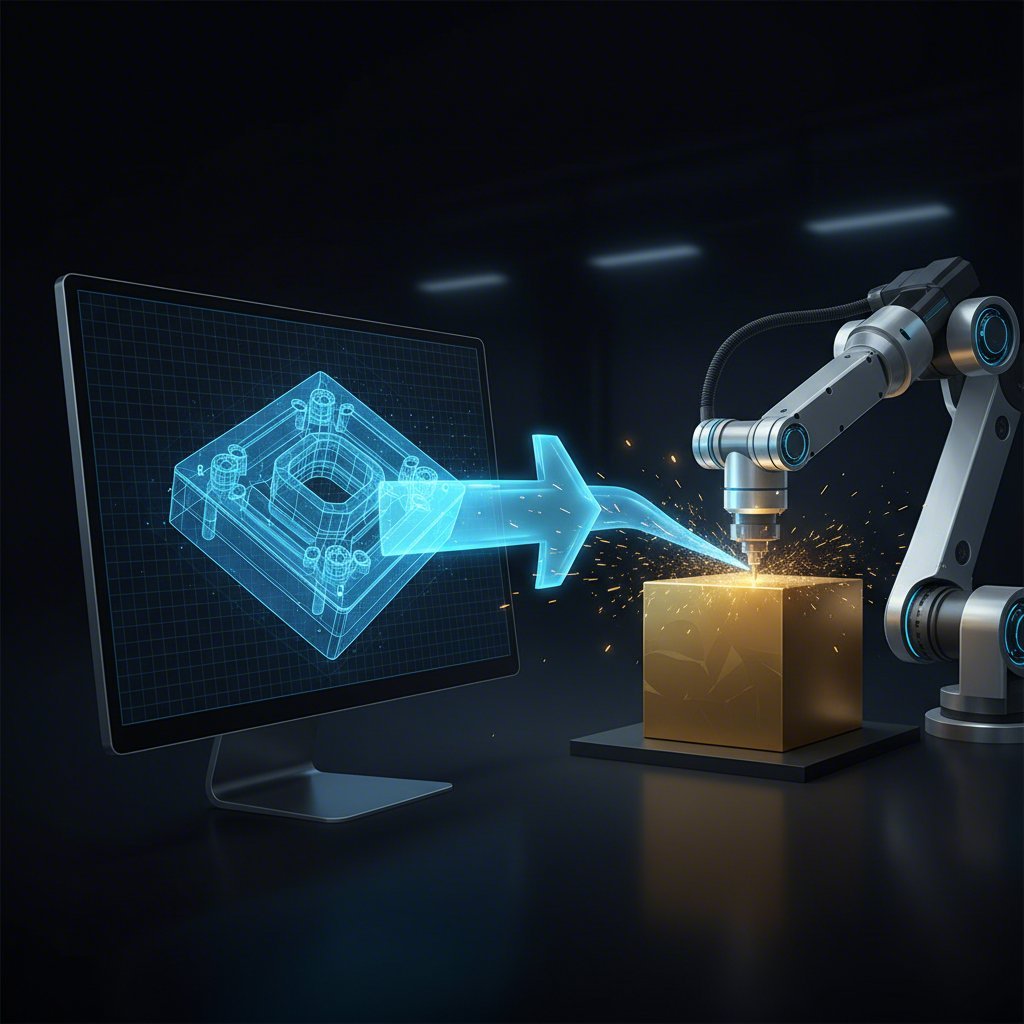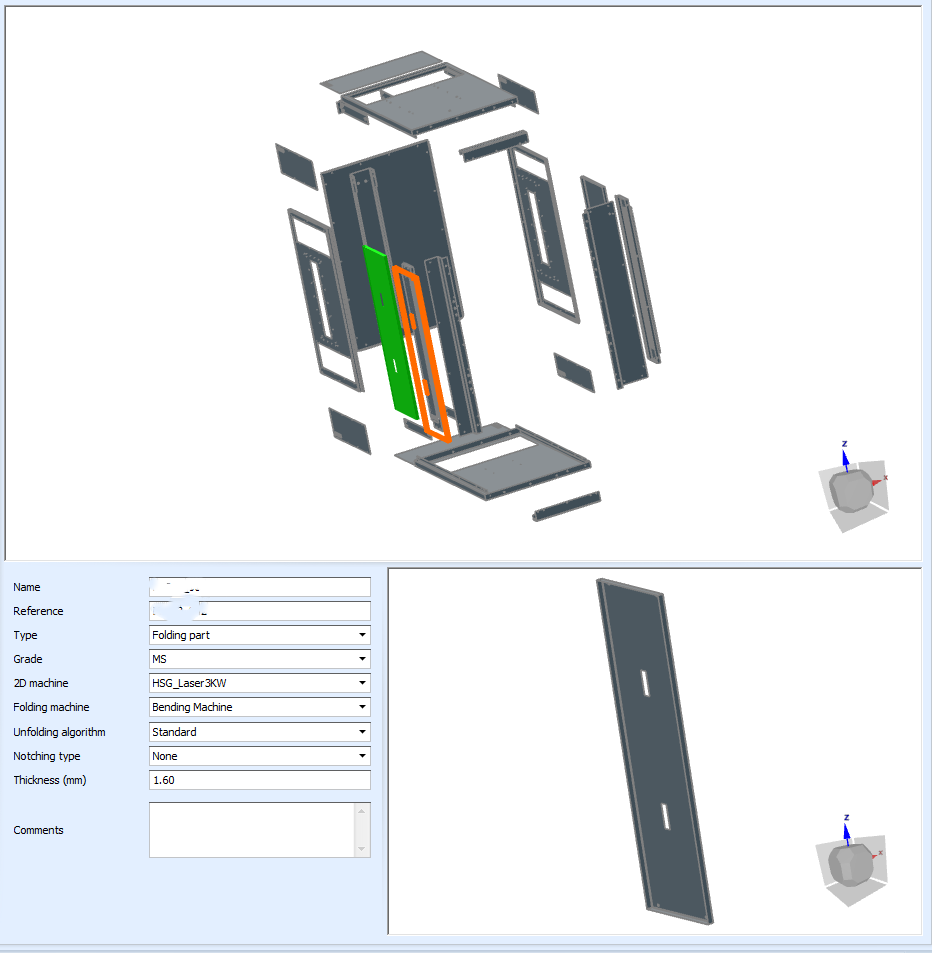
CAD Import & Part Preparation
Import DXF, DWG and supported CAD files and prepare parts for nesting. Review geometry, quantities and part requirements before creating an optimized sheet metal nesting layout.
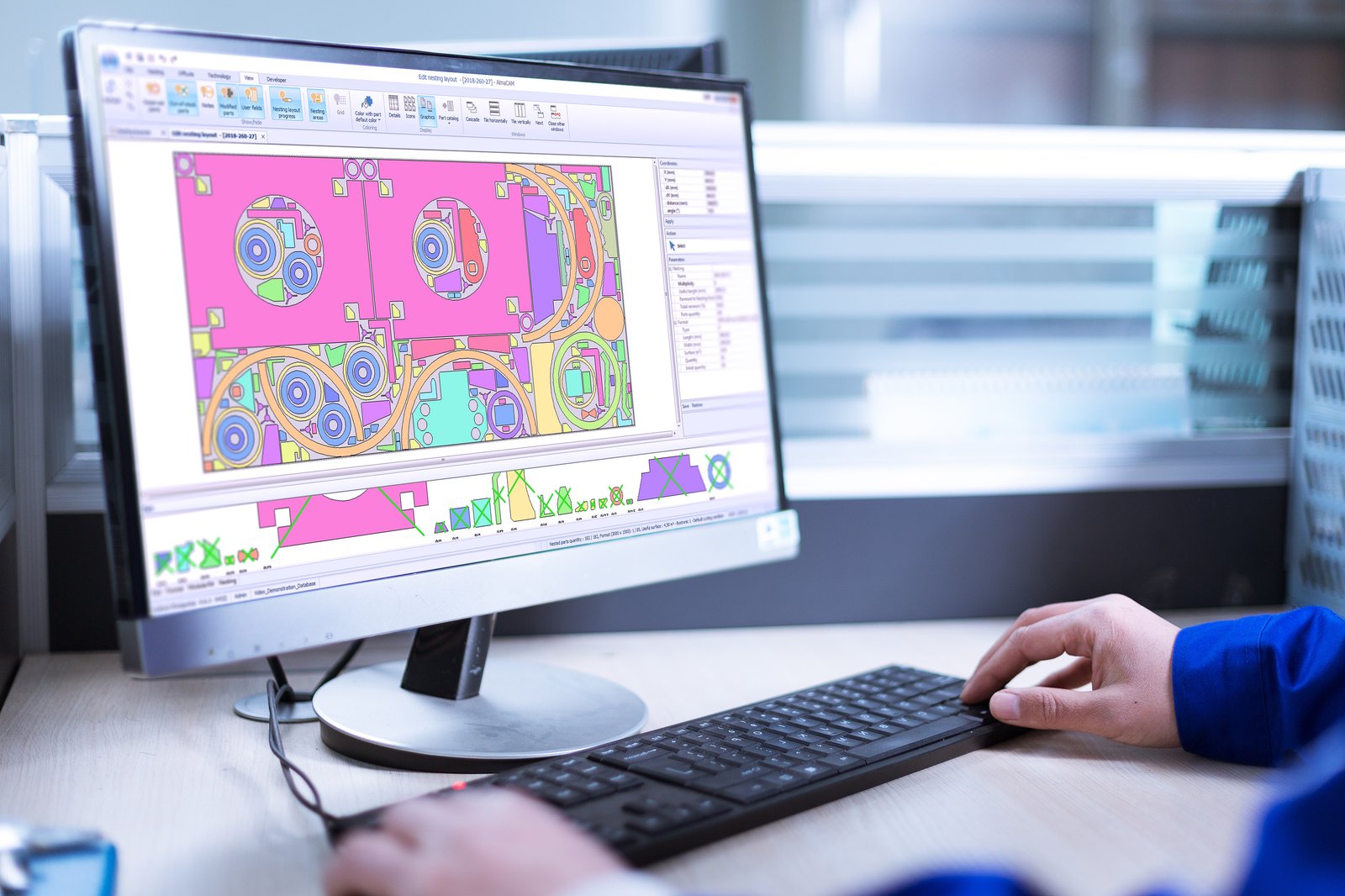

Nesting & Optimization
Optimize material usage. Validate supplier quotes. Estimate realistic sheet requirements before production.
AlmaCAM Nester is advanced automatic nesting software designed to help manufacturers optimize sheet metal utilization, reduce avoidable scrap and understand material requirements before production. It combines powerful nesting algorithms with CAD import, sheet and offcut management, part placement controls and detailed nesting reports.
From supplier quote validation and should-cost estimation to RFQ material planning and outsourced cutting, AlmaCAM Nester helps costing, procurement, production and engineering teams make better decisions using actual part geometry and production quantities.
Key features
Import DXF, DWG and supported CAD files and prepare parts for nesting. Review geometry, quantities and part requirements before creating an optimized sheet metal nesting layout.
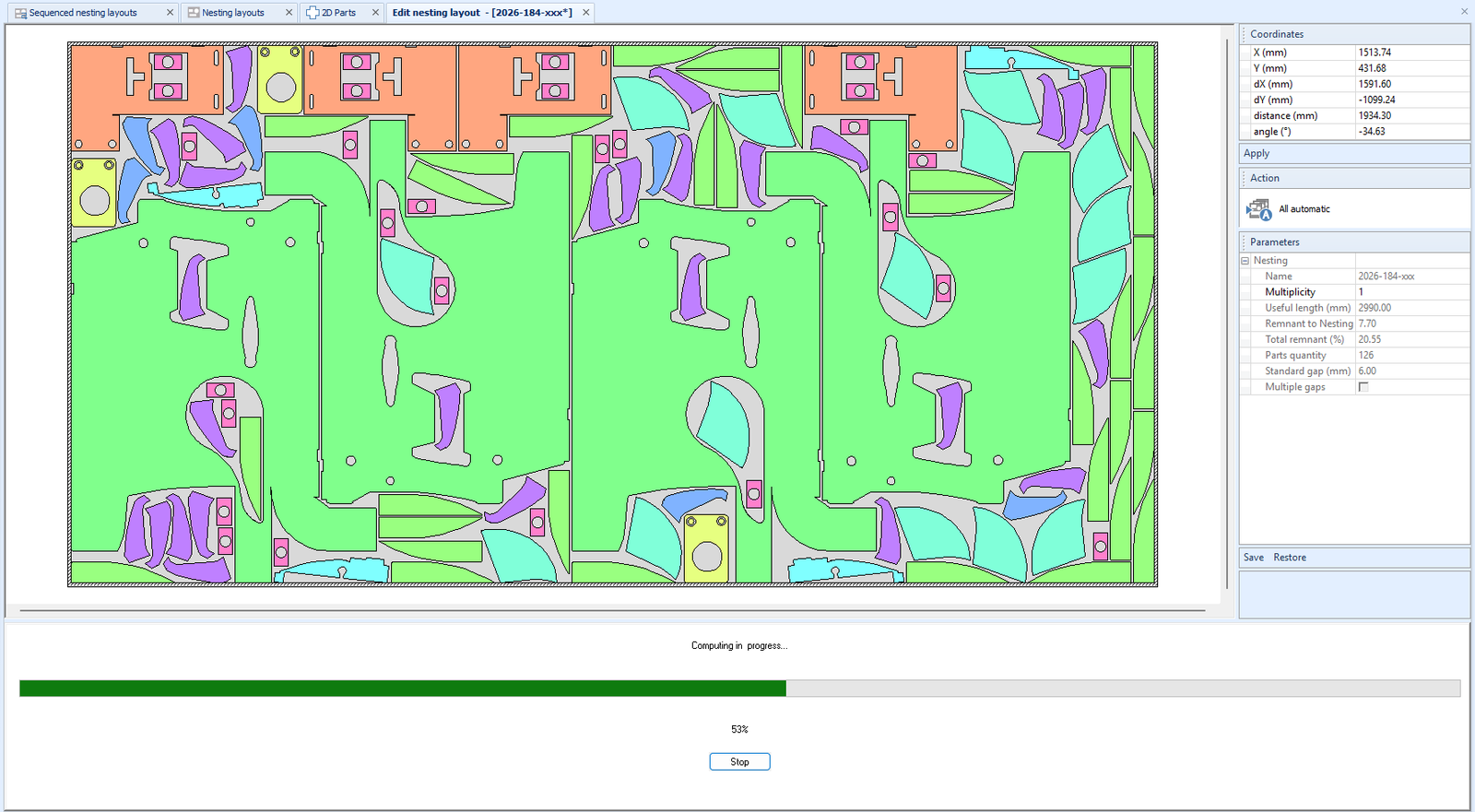
Generate optimized nesting layouts using Alma's advanced nesting algorithms. Choose automatic, manual or interactive nesting to improve sheet utilization while maintaining control over part placement.
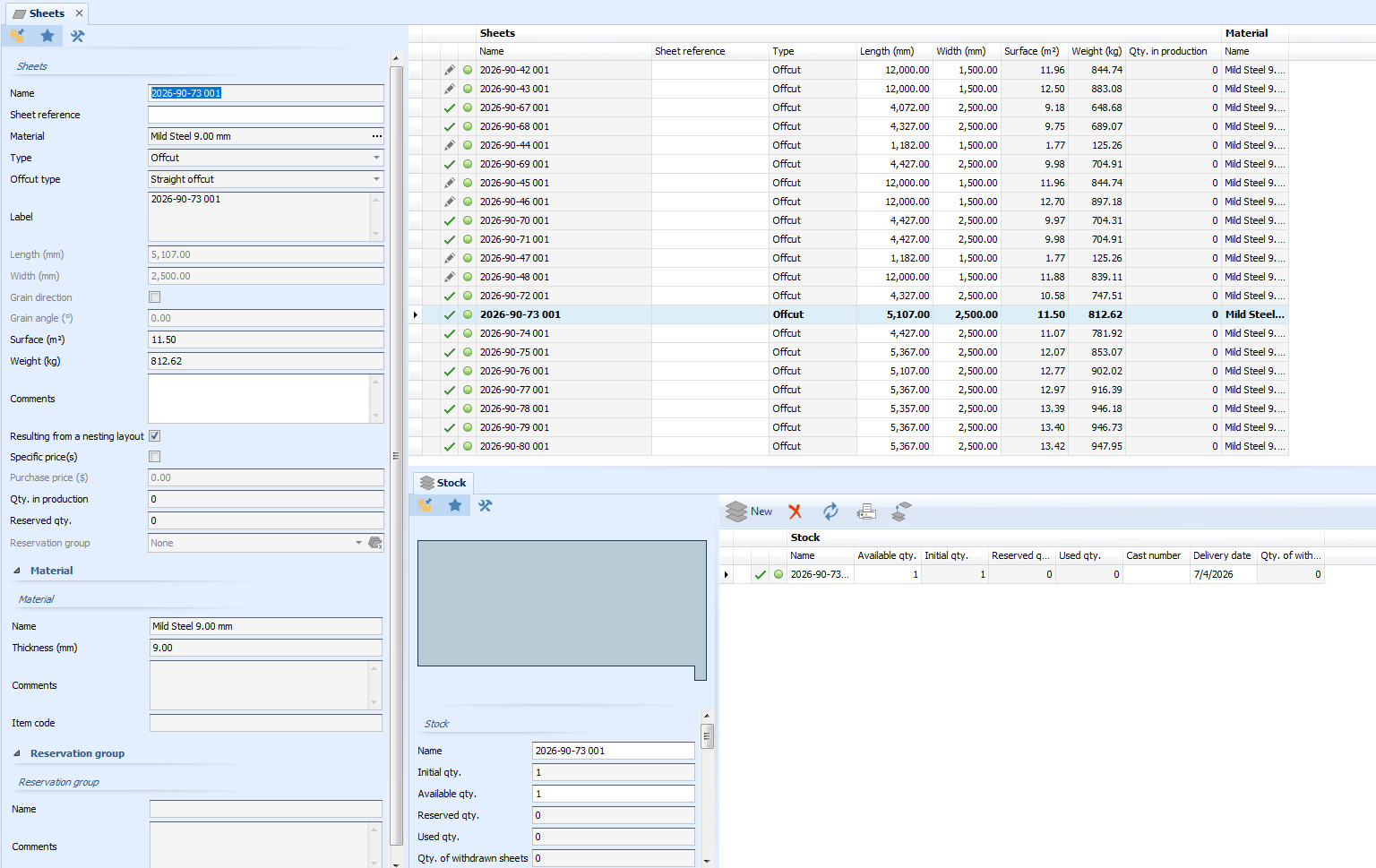
Manage available sheets, material stock and reusable offcuts while planning new jobs. Use existing remnants where appropriate to improve material utilization and reduce unnecessary material purchases.
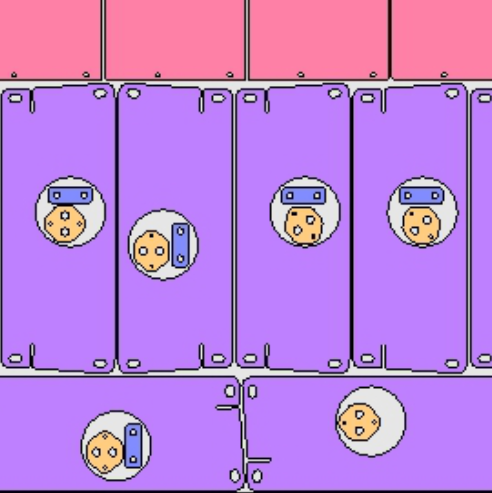
Control part rotation, placement priorities and positioning restrictions while optimizing available space. Place smaller parts inside suitable openings and manage multiple part placements for greater nesting flexibility.
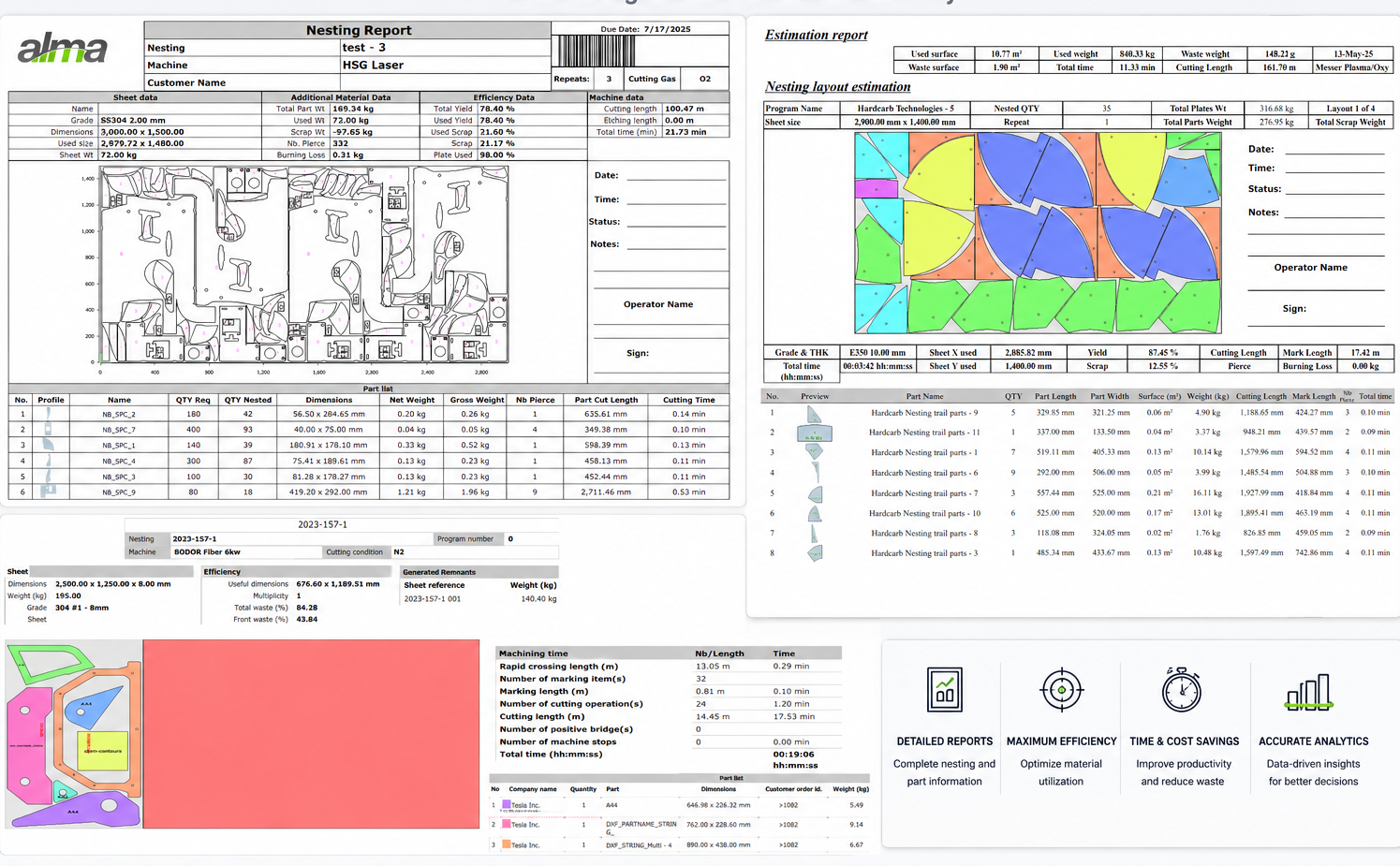
Export optimized nesting layouts in DXF or DWG format and generate clear nesting reports for costing, purchasing, production planning or subcontracting. Keep a record of nesting results and material requirements.
Benefits
Use cases
Independently calculate material requirements and optimized nesting layouts to check whether a supplier's sheet requirement, material cost and scrap allowance are reasonable.
Use actual part geometry, quantities and optimized nesting results to estimate realistic material consumption before sending an RFQ or negotiating supplier pricing.
Prepare optimized nesting layouts before subcontracting laser, plasma or other sheet cutting work. Estimate sheets, material usage, scrap and reusable remnants before sending the job to a supplier.
Compare the material requirements and estimated costs of in-house production with supplier quotations to support more informed make-or-buy decisions.
Import CAD parts, define quantities and calculate expected sheet requirements before requesting supplier quotations, giving procurement teams a more consistent material baseline.
Independently calculate material requirements and optimized nesting layouts to check whether a supplier's sheet requirement, material cost and scrap allowance are reasonable.
Use actual part geometry, quantities and optimized nesting results to estimate realistic material consumption before sending an RFQ or negotiating supplier pricing.
Prepare optimized nesting layouts before subcontracting laser, plasma or other sheet cutting work. Estimate sheets, material usage, scrap and reusable remnants before sending the job to a supplier.
Compare the material requirements and estimated costs of in-house production with supplier quotations to support more informed make-or-buy decisions.
Import CAD parts, define quantities and calculate expected sheet requirements before requesting supplier quotations, giving procurement teams a more consistent material baseline.
Independently calculate material requirements and optimized nesting layouts to check whether a supplier's sheet requirement, material cost and scrap allowance are reasonable.
Use actual part geometry, quantities and optimized nesting results to estimate realistic material consumption before sending an RFQ or negotiating supplier pricing.
Prepare optimized nesting layouts before subcontracting laser, plasma or other sheet cutting work. Estimate sheets, material usage, scrap and reusable remnants before sending the job to a supplier.
Compare the material requirements and estimated costs of in-house production with supplier quotations to support more informed make-or-buy decisions.
Import CAD parts, define quantities and calculate expected sheet requirements before requesting supplier quotations, giving procurement teams a more consistent material baseline.
Downloads
FAQ
Common questions
Automatic nesting software automatically arranges multiple parts on available sheets or material to improve material utilization and reduce unnecessary scrap. AlmaCAM Nester uses advanced nesting algorithms to generate optimized layouts based on part geometry, quantities and available material.
Sheet metal nesting software is used to arrange components efficiently on metal sheets before cutting. It helps manufacturers estimate material requirements, improve sheet utilization, reduce scrap and plan production or outsourced cutting more effectively.
Yes. Costing and procurement teams can independently nest the required parts and compare the calculated material requirement with a supplier's quoted sheet quantity, material cost and scrap allowance.
Industries
Insights
Voices
““Orders that previously required manual nesting by an operator during their working hours now take up only about one-third of their time. With Almacam, we have achieved an estimated 50% time savings across all our plants. It has become the standard nesting solution for our entire group.” ”
Andreas Pree
Manager Manufacturing Strategy – PALFINGER
““For sure, we will recommend Alma’s nesting product, but not to our competitors! Almacam Components is a very stable and reliable nesting optimization solution. Besides, we always receive full and excellent support from Alma.””
René Bastians
Managing Director at BCSI Systems, leading software house for the die making and packaging industry.
“I’m sure that robotic welding has a great future. We need to get on board right now, because if we don’t switch over to robotics today, in five years time we will disappear… The more complex the parts are, the more off-line programming is necessary. And to obtain flexibility in robotic welding, it’s absolutely vital. The Alma software makes programming easy and fast. It represents roughly one hour per program, whereas on the robot you would need a day, not counting the robot immobilization time. ”
Nicolas Froment
Head of MétalFormage
Proof
AGMA
Gabrielli Divisione Lamiere Grosse
PALFINGER
We'll bring your machines, your parts, and your real numbers — and show you the difference.